Storm preparedness should include more than securing outdoor furniture

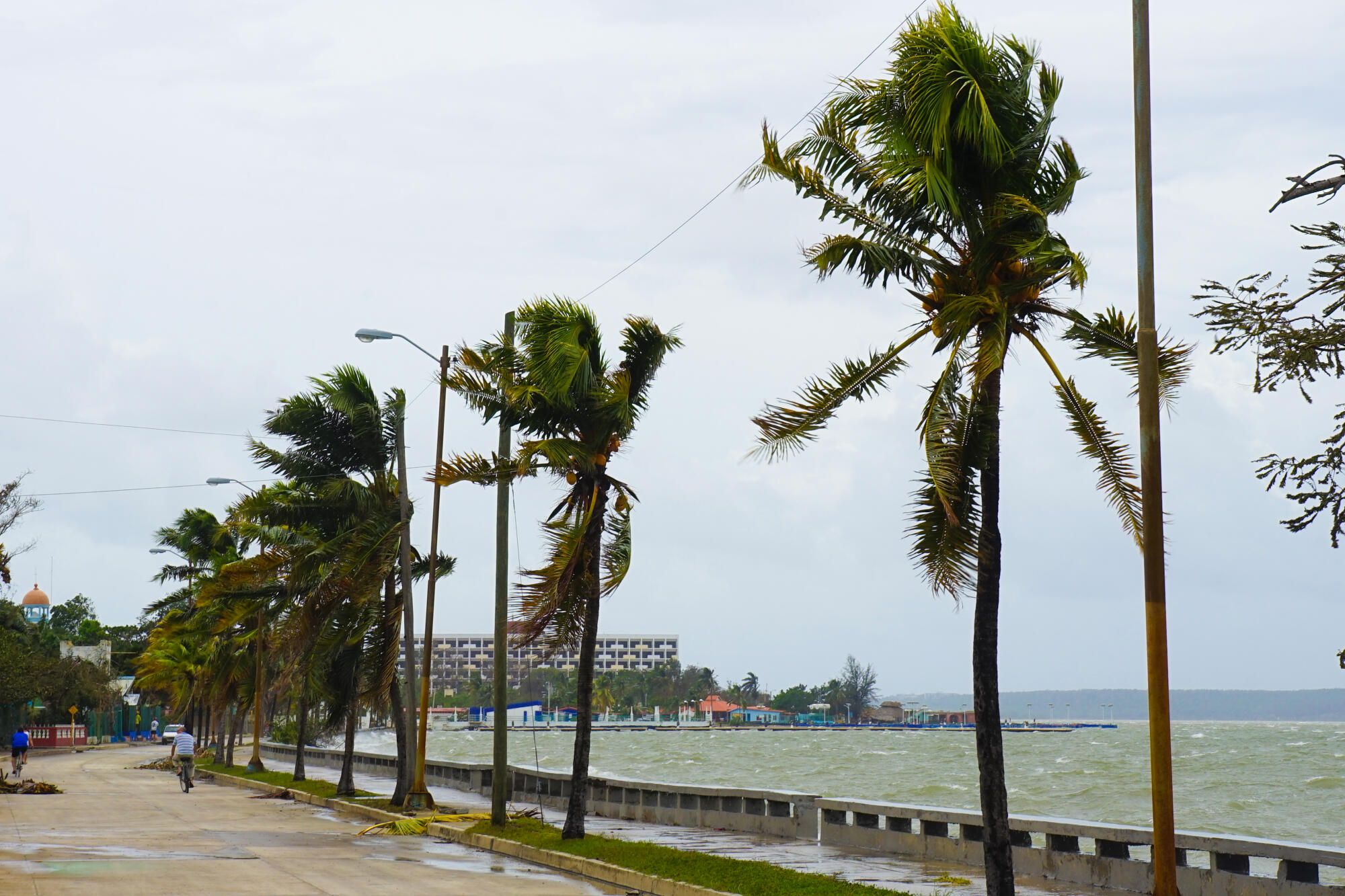
Solid storm preparedness includes checking your home’s fortification from water and wind. Check surrounding trees and drainage features, such as gutters and landscape grading. You should also have emergency supplies, from clean water to non-perishable food, and pick a safe zone with no windows in case your family needs to rush to safety.
The National Weather Service reports that 80 to 90% of global tornadoes happen in the United States. With global warming, storms are fiercer and more frequent, causing more damage. Therefore, homeowners need to take emergency food storage and home maintenance, with an extra focus on drainage, seriously.
Why Does Storm Preparedness Matter?
Extreme weather readiness is essential in a time of global warming on an overheating planet, where larger storms are increasingly more predictable and destructive. Keeping your home and family ready in case a tornado, hurricane, or flash flood hits can save lives and reduce the likelihood of injury.
Preserving your property as much as possible matters, as a home is often the largest asset for Americans and a source of generational wealth.
Taking proactive steps, like gathering emergency supplies, can prepare you and loved ones to get through until everything is running again. This helps avoid dehydration and hunger.
How Can You Practice Home Storm Safety?
The first step in securing your home for a storm is clearing gutters and downspouts to ensure they move water away from your home’s foundation. Check nearby trees for signs of weak branches that may fall.
Fortify your openings by installing storm shutters and impact-resistant windows that can protect you from projectiles.
Food and Supplies
Be prepared in case you have to hunker down in place for a while.
Planning for at least three days, a storm preparation checklist includes:
-
At least a gallon of clean water per person
-
Non-perishable food
-
Battery-powered communication
-
First aid supplies
-
Prescription medication
What to Do After the Weather Calms Down?
Once the storm passes and life returns to normal, check your roof for signs of damage, like loose and curled shingles. Read more on how a roofing professional can help by looking for signs of hidden damage.
An arborist can check your property’s trees even if they haven’t fallen. Trees may have suffered damage to bark and branches, which can make them weaker the next time a storm happens, causing them to fall.
Replenish any emergency supplies you used during this time, such as batteries and first aid kits. Then you’ll be prepared for the next event.
Your Storm Survival Start Now
Prioritizing storm preparedness isn’t optional in a time of larger storms often causing billions of dollars in damage globally. While you’ll usually have a hurricane warning, a tornado can often hit within seconds after hearing an alarm.
That’s why homeowners should proactively ensure their home has proper drainage. Form an emergency plan that can include evacuation routes and enough supplies in case you can’t leave the area for several days. Taking these steps can help you and your family remain safe and protect your property.
Learn more about this and other topics by searching our website.