Healthy soil is becoming part of the climate resilience conversation

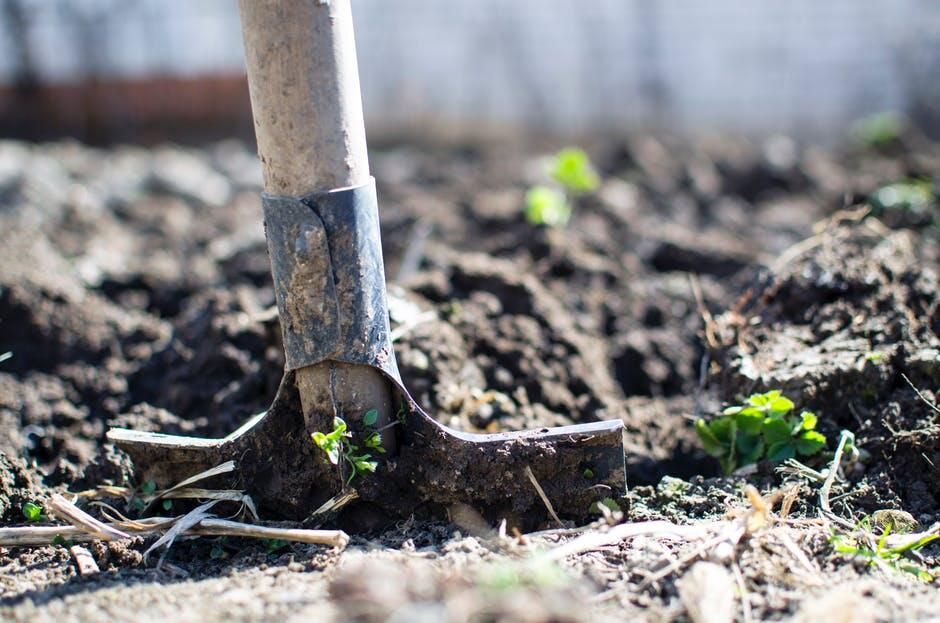
There are many reasons that healthy soil is important to conservation efforts. It supports agriculture, stores carbon, manages water, and provides a foundation for ecosystems.
Most people who care about conservation and the environment probably never take a second to think about how important the soil is to our health and to the continued health of our Earth.
When was the last time you thought about the soil that grows crops and holds plants and the Earth together? Soil health isn’t a common topic of conversation, but it really should be. Without healthy soil, humanity wouldn’t exist as it does right now, and civilization would die out.
Climate resilience is closely related to soil conservation as well.
Soil Does More Than Grow Crops
Healthy soil is a complex ecosystem containing:
- Minerals
- Organic matter
- Microorganisms
- Water
- Air
The impact of healthy soil cannot be emphasized enough. Its condition affects how effectively plants can access nutrients and water.
Healthy soils can also support beneficial organisms that contribute to nutrient cycling and plant growth. When soil becomes degraded, its ability to support productive landscapes can decline.
Soil Can Help Manage Water
Water management is increasingly important as communities experience more intense rainfall in some regions and longer periods of drought in others.
Soils with good structure and sufficient organic matter can absorb and retain water more effectively than heavily degraded soils. Improved water infiltration may reduce runoff and erosion during heavy rainfall while helping landscapes retain moisture during dry periods.
These qualities can make healthy soil an important component of climate adaptation.
Agriculture Is Driving Greater Interest
Farmers have a direct interest in maintaining productive soil.
Practices such as cover cropping, crop rotation, reduced soil disturbance, compost applications, and maintaining plant cover can help improve soil structure and reduce erosion when appropriately matched to local conditions.
Healthier soil can support agricultural resilience by helping farms manage changing environmental conditions while maintaining productive growing systems. If you are interested in sustainable gardening in your backyard, then consider these professional mulch services in Yorkville, IL.
Soil Can Store Carbon
Soil also plays a role in the carbon cycle.
Plants absorb carbon dioxide from the atmosphere through photosynthesis, and some of that carbon eventually becomes part of soil organic matter. Maintaining and increasing soil organic matter can contribute to carbon storage, although the amount and permanence of carbon stored vary significantly depending on:
- Climate
- Soil type
- Land management
- Other factors
As a result, soil is increasingly included in conversations about natural climate solutions.
Healthy Soil Is Crucial for Climate Resilience Efforts
Everyone can do their little bit to contribute to conservation efforts, and it begins by thinking about and talking about the importance of healthy soil across the board. Not many people are aware of this, so spreading the knowledge is crucial as well.
The impact of healthy soil is felt all across the US and should not be dismissed easily. Are you ready to make the necessary changes?
Please check out related articles on our website for more interesting content.
- Old School Talk Shows That Had Us On The Edge Of Our Seats
- ‘This Rich People Flex Pisses Me Off’ — Newlyweds Coco Jones & Donovan Mitchell ‘s Honeymoon Activities Have Fans Spiraling: 13 Funny Social Media Reactions
- CASSIUS Gems: ‘Inside The NBA’ Host Kenny Smith’s New Wife Tia Jurcic’s Most Stunning IG Moments