Happy Bobby Bonilla Day! Why The Mets Are Still Paying Him
Bobby Bonilla Day Explained: Why The Mets Are Still Paying A Man Who Retired In 2001

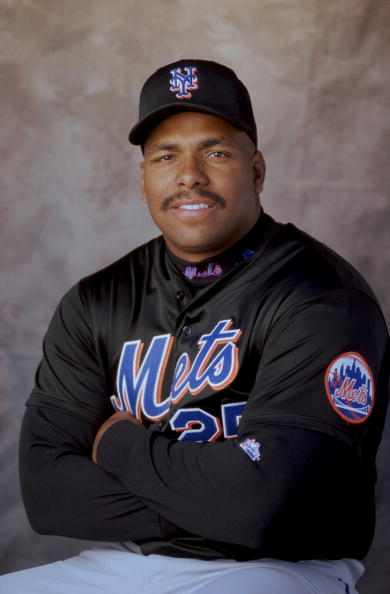
Every July 1, baseball fans celebrate one of the strangest, funniest and most misunderstood financial holidays in sports: Bobby Bonilla Day. It is the day the New York Mets send another $1,193,248.20 payment to Bonilla, a former All-Star who last played for the Mets in 1999 and retired from Major League Baseball in 2001. In 2026, the tradition hits Year 16, and Bonilla is still collecting like he just went 3-for-4 the night before.
That alone is wild enough, but this year comes with an even better visual: Bonilla is reportedly attending the Mets’ game on his own unofficial holiday. There are not many retired athletes who can pull up to the ballpark more than two decades after their final MLB game and still be technically getting paid by one of the teams on the field. But that is why Bobby Bonilla Day has become less of a contract footnote and more like baseball’s favorite annual inside joke.
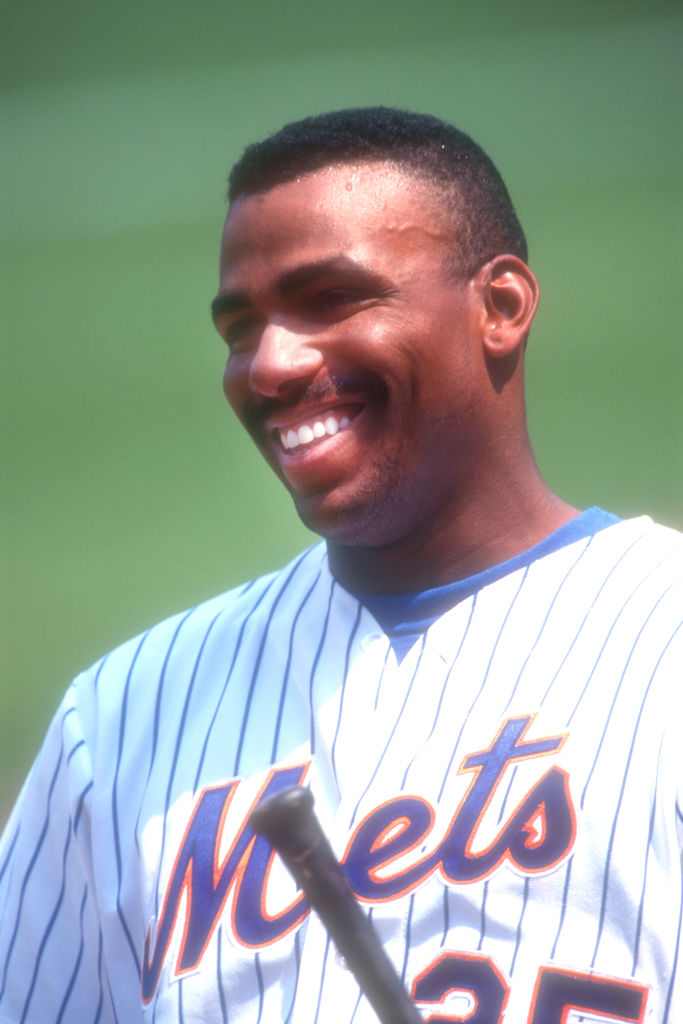
The short version is this: the Mets owed Bonilla $5.9 million after releasing him in January 2000. Instead of paying him that money upfront, the two sides agreed to defer the payment for more than a decade. Starting in 2011, Bonilla would receive nearly $1.2 million every July 1 for 25 years, with 8% interest baked into the deal. Those payments will continue through 2035, when Bonilla will be 72 years old.
The longer version is where the story gets even more ridiculous. Bonilla was not some random player. He was a six-time All-Star, a World Series champion with the Florida Marlins in 1997, and one of the biggest names in baseball during his prime. In 1991, the Mets signed him to a five-year, $29 million deal that was, at the time, the richest contract in team sports history. But his time in Queens never fully lived up to the hype, and after bouncing around the league, he returned to the Mets late in his career.
By 1999, things had gone left. Bonilla struggled on the field, clashed with the organization, and became part of one of the most infamous moments in Mets lore when he and Rickey Henderson were reportedly playing cards in the clubhouse while the team was losing Game 6 of the NLCS. A few months later, the Mets decided they were done with him. The problem was they still owed him that $5.9 million.
So why would the Mets agree to turn $5.9 million into almost $30 million? At the time, Mets ownership believed they could make more money by investing the cash instead of paying Bonilla immediately. The team’s owners were connected to Bernie Madoff, whose investment operation was later exposed as a massive Ponzi scheme. The Mets believed they could earn big returns, pay Bonilla later, and still come out ahead. Instead, Madoff’s empire collapsed, and Bonilla’s deal became a yearly reminder of one of the most bizarre financial decisions in sports history.
To be fair, deferred money itself is not rare in baseball. Plenty of teams have pushed money down the road to create payroll flexibility in the present. The Dodgers famously built massive deferrals into Shohei Ohtani’s $700 million contract. The Nationals did it with Max Scherzer. The Orioles did it with Chris Davis. Even Bonilla has another deferred deal that pays him $500,000 per year from a separate arrangement involving the Mets and Orioles. The reason Bonilla’s deal became legendary is because of the timing, the Mets’ history of chaos, the Madoff connection, and the fact that the player involved had already been gone from the team for more than a decade by the time the checks started hitting.
And honestly, Bonilla did exactly what players are supposed to do. He negotiated security. Instead of taking one lump sum, he turned it into a guaranteed annual payday that has kept his name alive every summer. Fans joke about the Mets every year, but from Bonilla’s side, this is one of the cleanest business wins an athlete has ever had. He gets paid, the jokes keep coming, and his name becomes relevant again every July without him having to swing a bat.
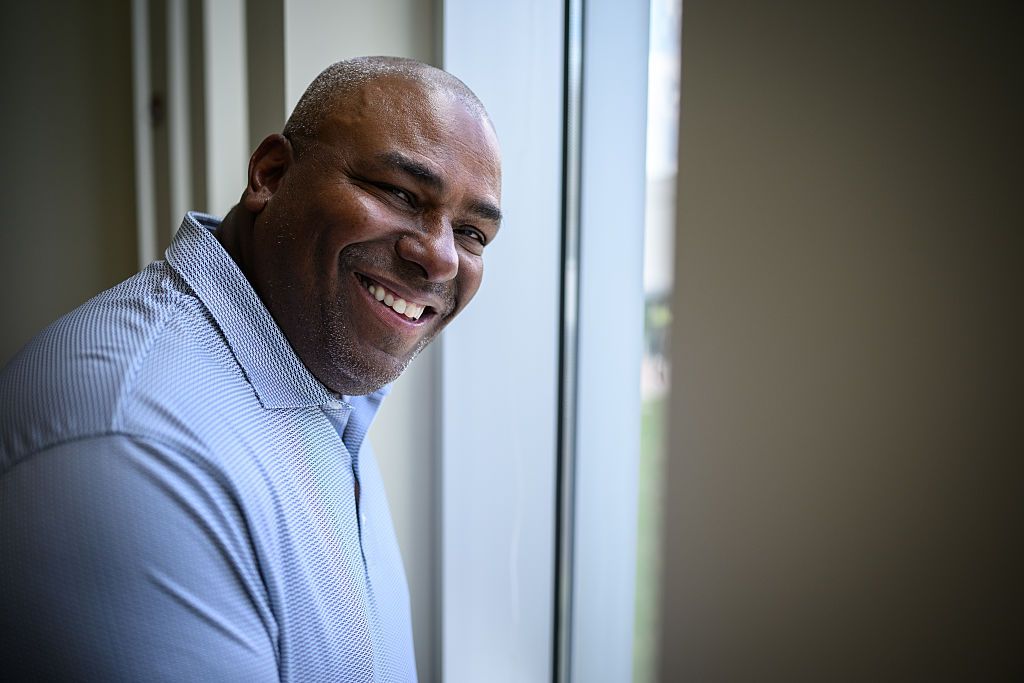
For the Mets, it is not as financially crippling as the jokes make it out to be. A little under $1.2 million per year is not franchise-breaking money in modern baseball. The team has signed players for hundreds of millions since then, and current owner Steve Cohen has even leaned into the humor of the whole thing. Still, symbolically, it is perfect Mets content: a former player collecting seven figures every year because of a deal tied to a bad investment plan that aged like milk.
That is why Bobby Bonilla Day continues to live on. It is part contract lesson, part meme, part baseball history and part annual roast session. Bonilla has not played in the majors since 2001, but every July 1, he becomes one of the most talked-about names in the sport again. And until 2035, the Mets will keep cutting that check. HAPPY BOBBY BONILLA DAY!
RELATED: MLB’s Wander Franco Found Guilty Of Sexually Abusing A Minor But Avoids Jail, Social Media Reacts
Bobby Bonilla Day Explained: Why The Mets Are Still Paying A Man Who Retired In 2001 was originally published on cassiuslife.com





