Biggest skincare myths dermatologists wish we’d stop believing

The biggest skincare myths, such as not needing moisturizer if you have oily skin or that natural products are safer, are getting millions of views from influencers who’ve never opened a dermatology journal. The gap between what goes viral and what actually works for your skin is wide. However, it’s widest for people with melanin-rich complexions whose skin gets misrepresented in mainstream skincare advice most often.
Latest skincare statistics reveal that while 82% of women maintain a daily skincare routine, most include at least one practice that dermatologists strongly oppose.
Clearing out the misinformation doesn’t require a full routine overhaul. In most cases, dropping one or two bad habits and making targeted substitutions does more for your skin than buying anything new.
What Are the Most Common Skincare Misconceptions?
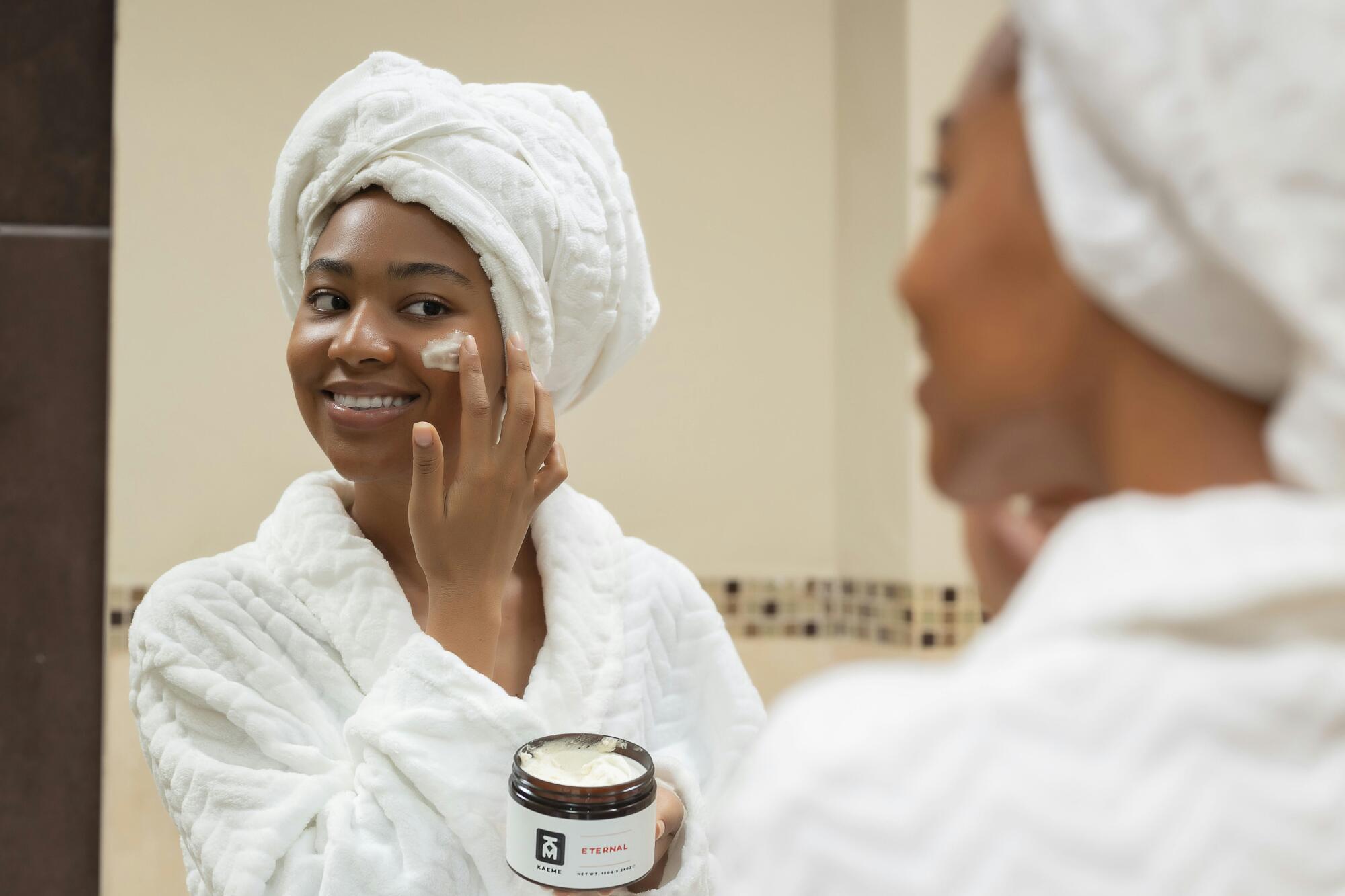
One of the most common myths about skincare routines is that oily skin doesn’t need moisturizer. It ranks among the most persistent skincare myths in circulation.
Board-certified dermatologists consistently explain that skipping moisturizer triggers the skin to produce more oil to make up for dehydration. It worsens exactly the problem people are trying to solve. The right move is a lightweight, non-comedogenic formula that hydrates without clogging pores, not eliminating moisture altogether.
The “natural always means safer” belief is another one that causes real harm, particularly for people with sensitive or reactive skin. As Jay Wofford of U.S. Dermatology Partners notes, plant-based and herbal ingredients are among the primary causes of allergic contact dermatitis in people with inflammatory skin conditions. The question that dermatologists recommend asking about any product is not “Is this natural?” but rather “Is there clinical evidence that this works for my skin type?”
Do People With Dark Skin Tones Need Sunscreen?
Skipping sunscreen on darker skin tones is one of the most dangerous of all skincare misinformation. Melanin does provide some inherent UV protection, but it doesn’t create immunity to UV-induced DNA damage, photoaging, or hyperpigmentation. Dermatologists universally recommend broad-spectrum SPF 30 or higher for every skin tone, every day.
For Black women specifically, this matters especially because hyperpigmentation from sun exposure compounds the post-inflammatory hyperpigmentation that acne, ingrown hairs, and other skin concerns already produce.
The consistent dermatologist skincare advice is a broad-spectrum SPF applied every morning as a non-negotiable step, regardless of season, cloud cover, or how much time you plan to spend outdoors. UV rays penetrate windows and clouds, and the cumulative damage from skipping adds up over the years rather than showing up immediately.
A skin health DNA test from Circle DNA can reveal how your unique genetic profile affects your skin’s tendencies toward sensitivity, pigmentation, and aging. It can give you a foundation that’s rooted in your biology rather than generic advice.
Getting your skincare routine dialed in means understanding how your genetics influence your skin’s behavior. According to dermatologist-backed skincare research, personalized routines consistently outperform trend-driven approaches across every skin type and tone.
Understanding Skincare Myths
The most useful thing you can do for your skin right now is stop applying skincare myths as fact.
Moisturize regardless of your skin type. Wear sunscreen regardless of your skin tone. Evaluate products on their ingredients rather than their price tags or packaging claims.
For more content on beauty coverage and the best skincare practices, keep reading.
- 'You Ain't Have To Do Unc Like That!' — Usher Removes Concertgoer From Stage After She Admits, 'I Went To The Concert For Chris Brown': 14 Unhinged Social Reactions
- GalaxyCon Raleigh Takes Over Downtown Raleigh This Weekend
- “Spend My Life With You”: Eric Benét Talks Music, Memories, and the One Voyage Cruise





