

The Power of Knowledge:Black Leaders Who Changed The Culture - Page 3

- Black visionaries overcame adversity to drive change in fields like civil rights, arts, and science.
- Self-education and formal study empowered these figures to challenge injustice and redefine possibilities.
- Their stories inspire future generations of leaders, creators, and changemakers committed to collective liberation.
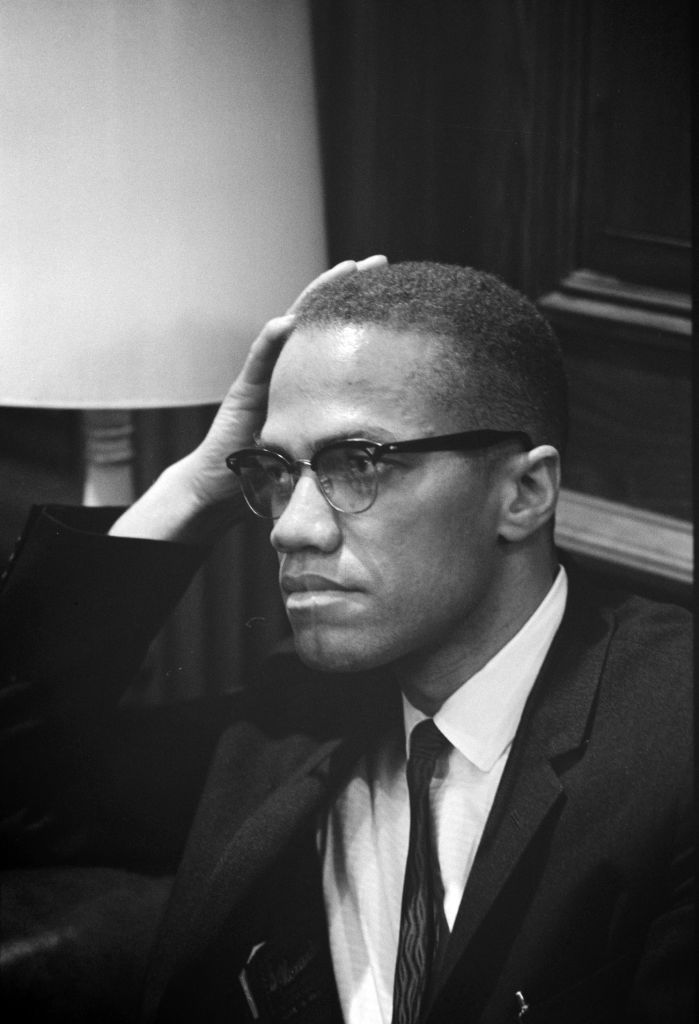
The African American community has been shaped by visionaries whose courage, intellect, and resilience changed the course of history. From the fight against slavery and segregation to advancements in education, science, politics, and the arts, Black leaders have consistently transformed adversity into progress. These figures were not only influential in their own time, but laid foundations that continue to impact generations today.
What makes these individuals especially pivotal is not just their activism or talent, but their commitment to learning, whether through formal education, self-study, or lived experience. Some pursued higher education at historically Black colleges and universities, while others taught themselves in circumstances designed to deny them knowledge. Their studies in fields like sociology, theology, law, literature, science, and philosophy became powerful tools used to challenge injustice, uplift communities, and redefine what was possible for African Americans.



These trailblazers represent the intellectual, cultural, and moral backbone of Black history in America. Their stories remind us that progress is driven by purpose, education, and an unwavering belief in collective liberation. Honoring their contributions is more than remembering the past it is recognizing the blueprint they left behind for future leaders, creators, and changemakers.
See the what the pivitoal african americans studied to help shape the culture and the world we live in today.
Frederick Douglass
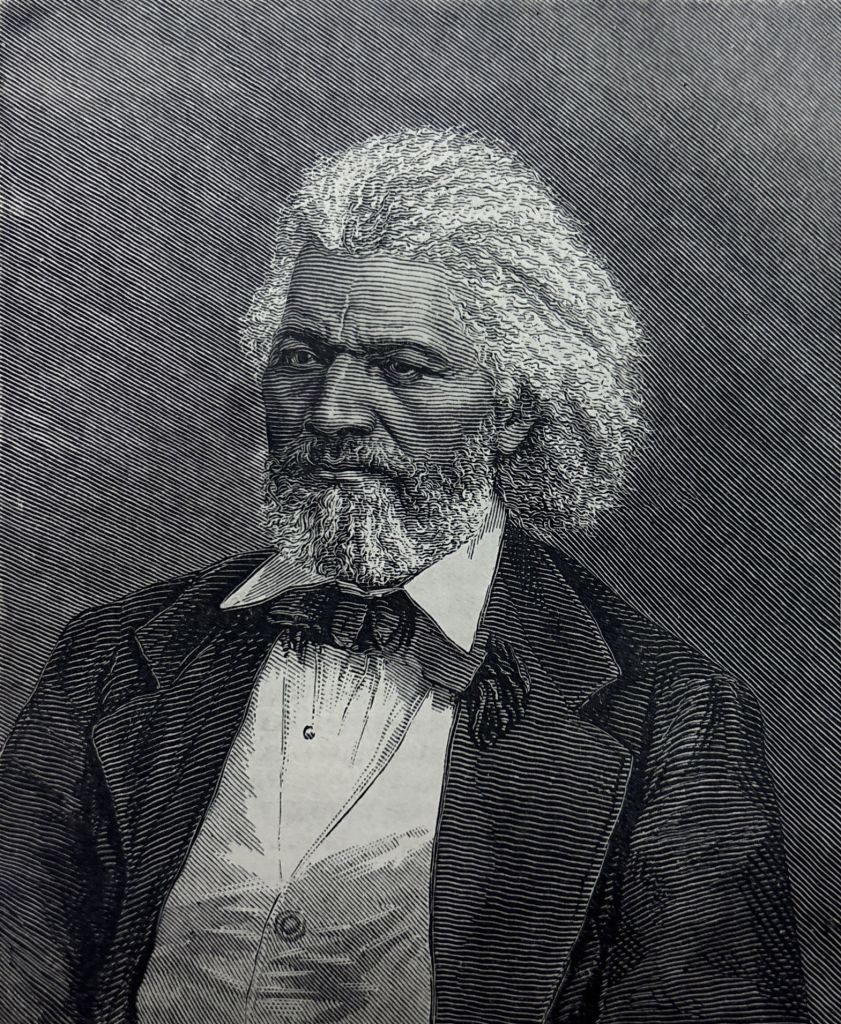
- Who to the community: Abolitionist, writer, public speaker
- Why pivotal: Escaped slavery and became the most powerful Black voice against slavery
- What he studied: Largely self-taught (reading, writing, philosophy)
- Where he studied: Self-educated; no formal schooling
Frederick Douglass was a formerly enslaved Black man who became one of the most powerful voices against slavery in American history. He was an abolitionist, writer, speaker, and activist who used his personal story to expose the brutality of slavery and fight for freedom and equality. Through his speeches and bestselling autobiographies, Douglass helped change public opinion and push the nation toward ending slavery. He remains an important figure in the Black community because he championed education, civil rights, and political power for Black Americans long before those rights were widely recognized.
Harriet Tubman
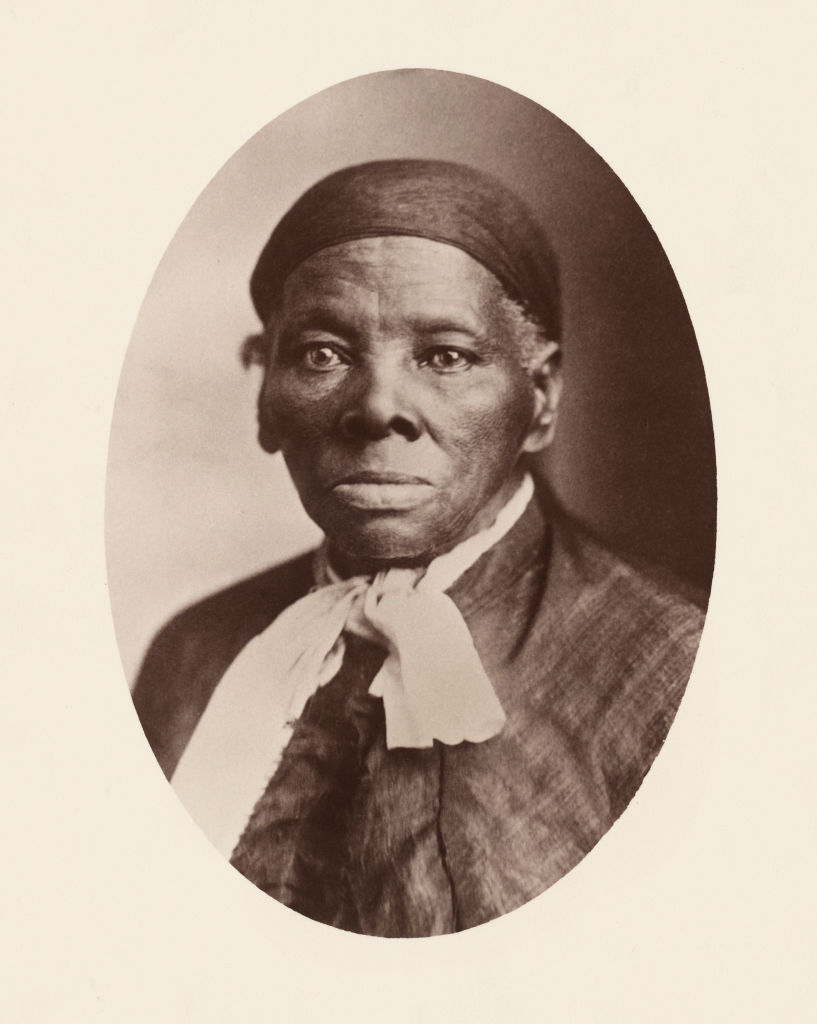
- Who to the community: Abolitionist, Underground Railroad conductor
- Why pivotal: Led hundreds of enslaved people to freedom
- What she studied: Survival skills such as navigation and herbal medication, spiritual faith and abolitionist strategy
- Where she studied: No formal education
Harriet Tubman was a formerly enslaved Black woman who became a fearless freedom fighter and abolitionist. She is best known for leading dozens of enslaved people to freedom through the Underground Railroad, risking her life again and again. Tubman also served as a spy and nurse during the Civil War, fighting for both freedom and the Union. She is an important figure in the Black community because her courage, leadership, and selflessness symbolize resistance, liberation, and the fight for justice.
W.E.B. Du Bois
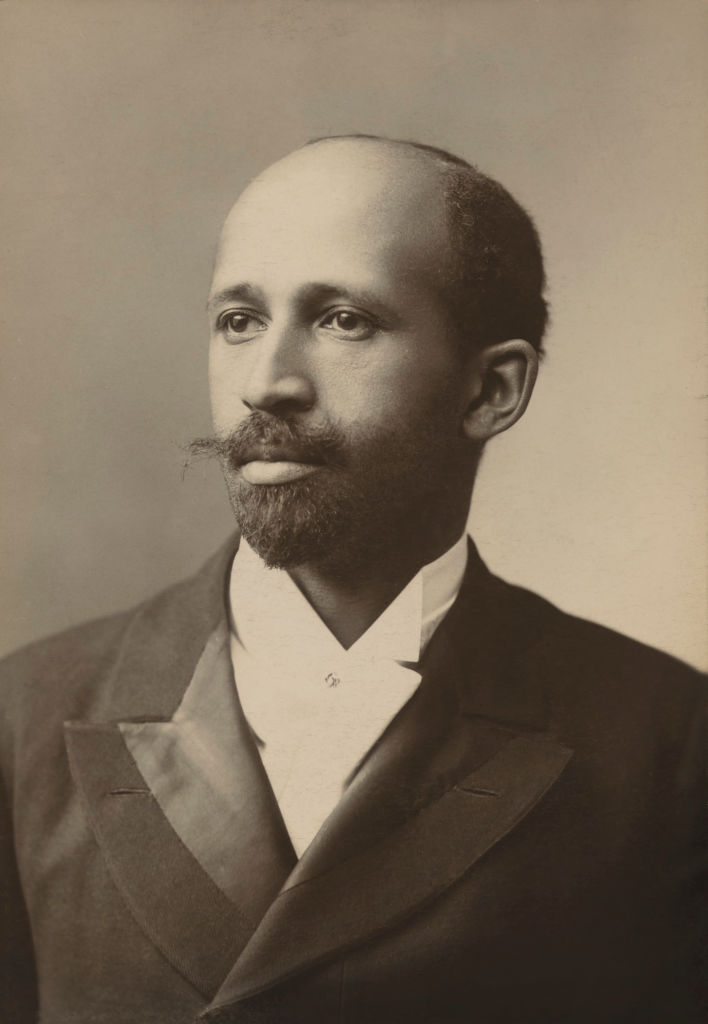
- Who to the community: Scholar, activist, sociologist
- Why pivotal: Co-founder of the NAACP; challenged racism intellectually
- What he studied: Sociology, history, philosophy
- Where he studied: Fisk University; Harvard University (PhD)
W.E.B. Du Bois was a brilliant scholar, writer, and civil rights activist who fought for equality and justice for Black Americans. He was a co-founder of the NAACP and used research, books, and essays to challenge racism and demand full civil rights. Du Bois believed in the power of education and political action to uplift the Black community. He is an important figure because he helped shape modern Black thought and laid the foundation for future civil rights movements
Booker T. Washington

- Who to the community: Educator, leader
- Why pivotal: Founded Tuskegee Institute; promoted Black education
- What he studied: Education, industrial training
- Where he studied: Hampton Institute
Booker T. Washington was an educator, author, and leader who focused on improving the lives of Black Americans after slavery. He founded the Tuskegee Institute and promoted education, job training, and economic independence as pathways to progress. Washington believed that building skills and self-sufficiency would help Black communities gain respect and stability. He is an important figure because his work helped expand educational opportunities and economic growth for Black Americans during a critical time in U.S. history.
Martin Luther King Jr.
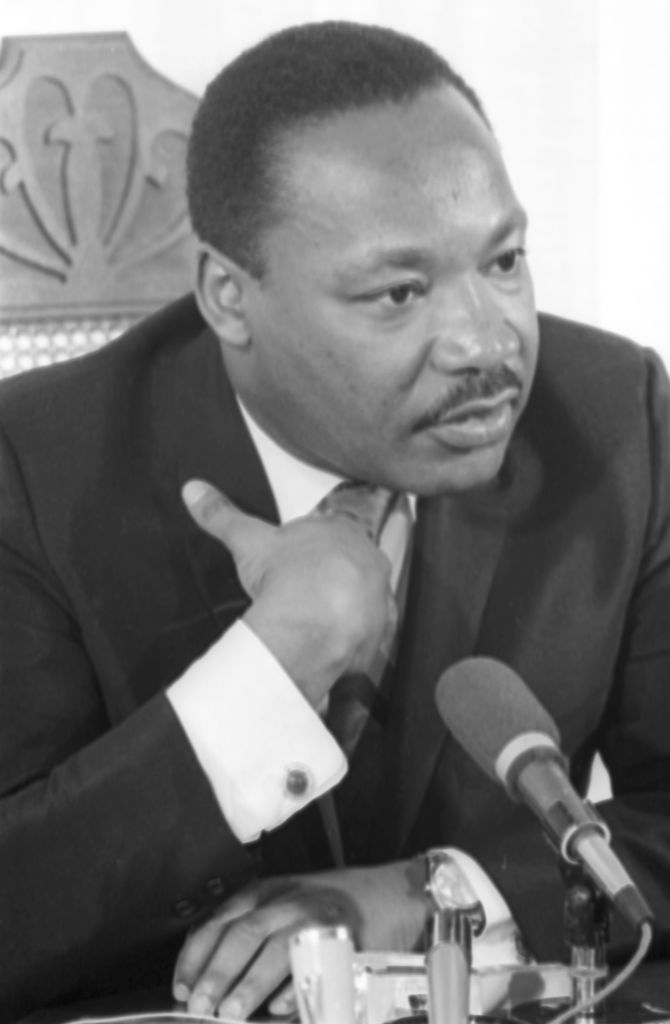
- Who to the community: Civil rights leader, minister
- Why pivotal: Led nonviolent Civil Rights Movement
- What he studied: Theology, philosophy
- Where he studied: Morehouse College; Crozer Theological Seminary; Boston University
Martin Luther King Jr. was a civil rights leader and minister who led the fight against racial segregation and injustice through nonviolent protest. He played a key role in major movements and events like the Montgomery Bus Boycott and the March on Washington, where he delivered his famous “I Have a Dream” speech. King advocated for equality, voting rights, and economic justice for Black Americans. He is an important figure because his leadership helped bring about landmark civil rights laws and inspired generations to continue the fight for justice.
Malcolm X
- Who to the community: Civil rights leader, revolutionary thinker
- Why pivotal: Advocated Black self-determination and pride
- What he studied: History, religion, politics (self-taught)
- Where he studied: Prison self-education
Malcolm X was a powerful Black leader, speaker, and human rights activist who challenged racism and fought for Black self-determination. He encouraged Black pride, self-defense, and independence, urging Black Americans to take control of their own communities and futures. Through his speeches and writings, Malcolm X exposed systemic oppression and demanded justice “by any means necessary.” He is an important figure because he reshaped Black consciousness and empowered people to stand boldly for their rights and identity.
Rosa Parks
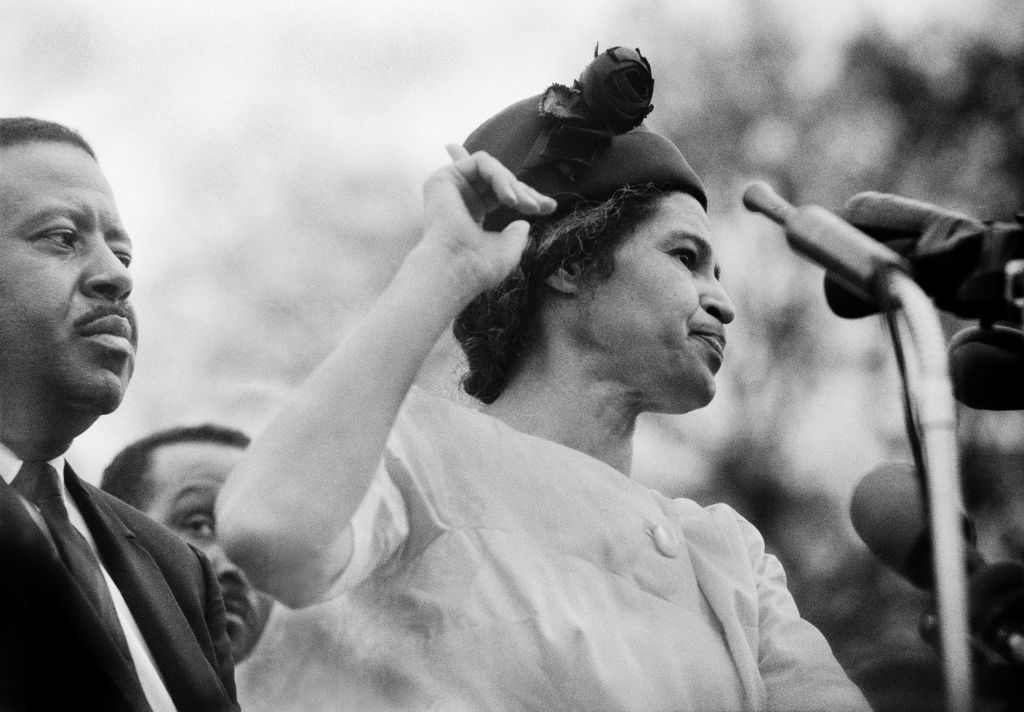
- Who to the community: Civil rights activist
- Why pivotal: Sparked the Montgomery Bus Boycott
- What she studied: Liberal arts
- Where she studied: Alabama State College
Rosa Parks was a civil rights activist whose quiet act of resistance helped ignite the modern Civil Rights Movement. In 1955, she refused to give up her bus seat to a white passenger, leading to the Montgomery Bus Boycott. Parks spent her life advocating for racial equality and justice beyond that moment. She is an important figure because her courage showed how one stand against injustice can spark massive change.
Thurgood Marshall

- Who to the community: Lawyer, Supreme Court Justice
- Why pivotal: First Black U.S. Supreme Court Justice
- What he studied: Law
- Where he studied: Lincoln University; Howard University School of Law
Thurgood Marshall was a groundbreaking lawyer, civil rights activist, and the first Black Supreme Court Justice of the United States. He fought segregation through the legal system and was the lead attorney in Brown v. Board of Education, which helped end segregation in public schools. Marshall dedicated his career to protecting civil rights and equal justice under the law. He is an important figure because his legal victories reshaped American law and expanded opportunities for Black Americans
Maya Angelou
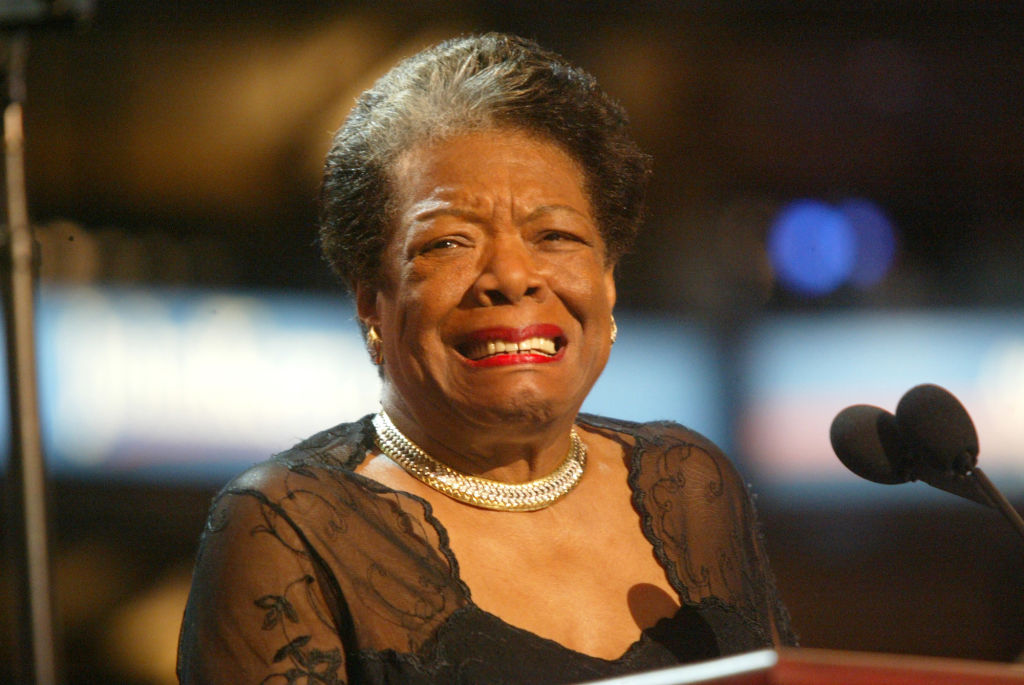
- Who to the community: Poet, memoirist
- Why pivotal: Elevated Black womanhood in literature
- What she studied: Dance, performance, writing
- Where she studied: No formal degree
Maya Angelou was a celebrated poet, author, and activist whose words gave voice to the Black experience. Through works like I Know Why the Caged Bird Sings, she explored themes of identity, resilience, and liberation. Angelou used art and storytelling to inspire pride, healing, and empowerment. She is an important figure because her work continues to uplift the Black community and influence generations around the world.
Marcus Garvey
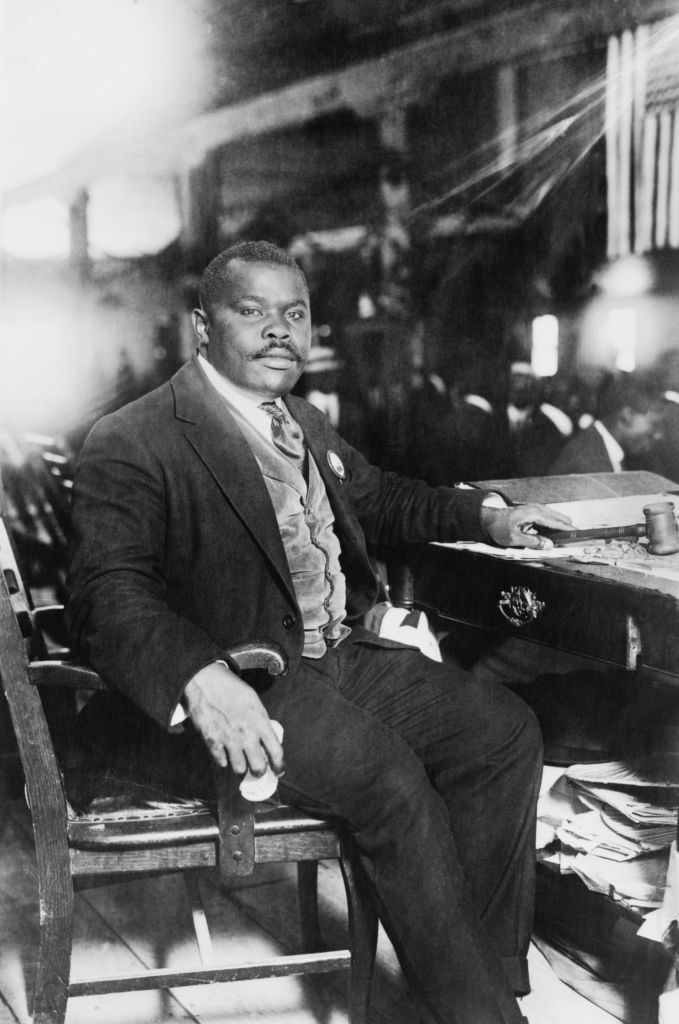
- Who to the community: Black nationalist leader
- Why pivotal: Promoted global Black unity and economic independence
- What he studied: Philosophy and economics
- Where he studied: Birkbeck College (London)
Marcus Garvey was a Black nationalist leader, organizer, and visionary who promoted Black pride, unity, and economic independence. He founded the Universal Negro Improvement Association (UNIA), one of the largest Black movements in history, encouraging people of African descent to embrace their identity and build their own institutions. Garvey emphasized self-reliance and global Black empowerment. He is an important figure because his ideas inspired future movements centered on Black consciousness, liberation, and self-determination.
Zora Neale Hurston
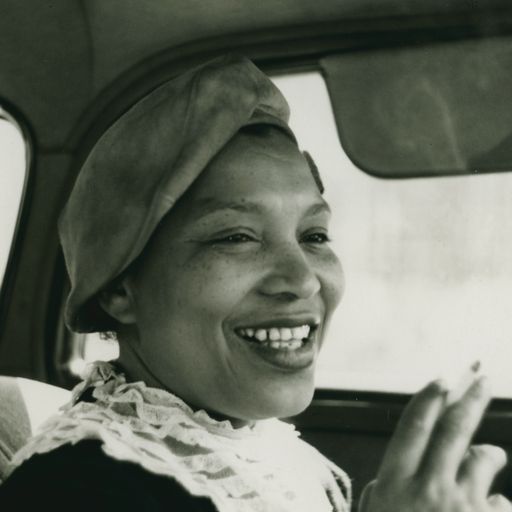
- Who to the community: Writer, anthropologist
- Why pivotal: Preserved Black folklore and dialect
- What she studied: Anthropology
- Where she studied: Howard University; Barnard College
Zora Neale Hurston was a celebrated author, anthropologist, and folklorist who celebrated Black culture and life in her work. She is best known for her novel Their Eyes Were Watching God and for preserving African American folklore and stories from the South. Hurston’s writing highlighted the richness, strength, and complexity of Black communities. She is an important figure because she gave voice to Black experiences and helped shape African American literature and cultural pride.
The Power of Knowledge:Black Leaders Who Changed The Culture - Page 3 was originally published on blackamericaweb.com


